Information and Benefits
The Spike Protein in Layman's Terms The Sprike Portein in Layman's Terms
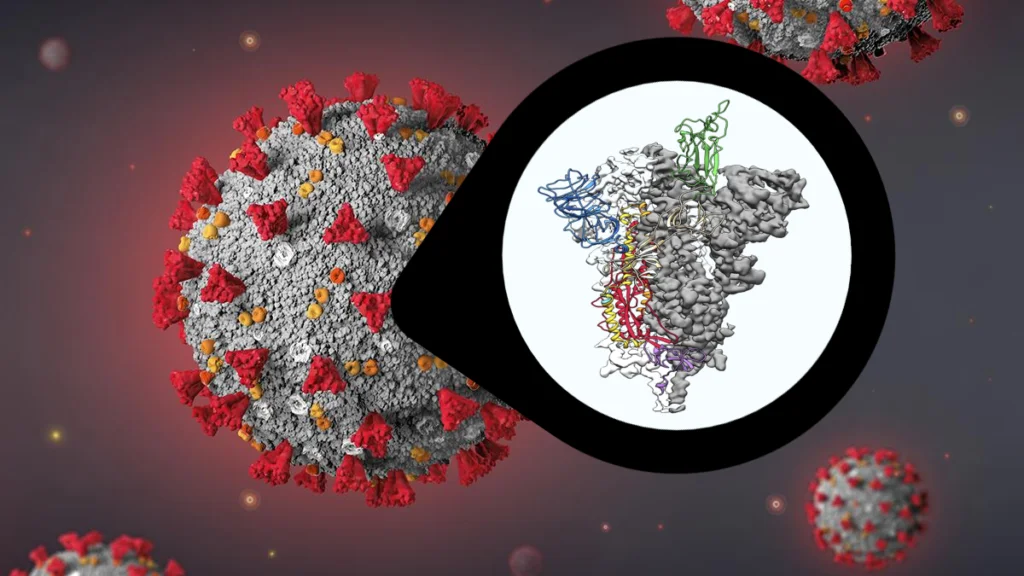
Figure 1: Spike Protein Zoomed
It can travel throughout the body, especially the Spike protein in the Covid Vaccine, since it is encapsulated in a lipid nanoparticle (wrapped in a fatty outer layer) which allows it to travel throughout the entire body and pass through membranes including the sacred blood brain barrier.
The Spike protein latches onto cells with ACE2 receptors, as well as cells without, immune cells, soft membranes, connective tissue, organs, bones and bone marrow, even possibly bacteria! Which means the toxic Spike protein can get EVERYWHERE in the human body.
The body has no real way of getting rid of the Spike protein. It doesn’t recognize it and has no way of expelling it. It just knows it’s toxic.
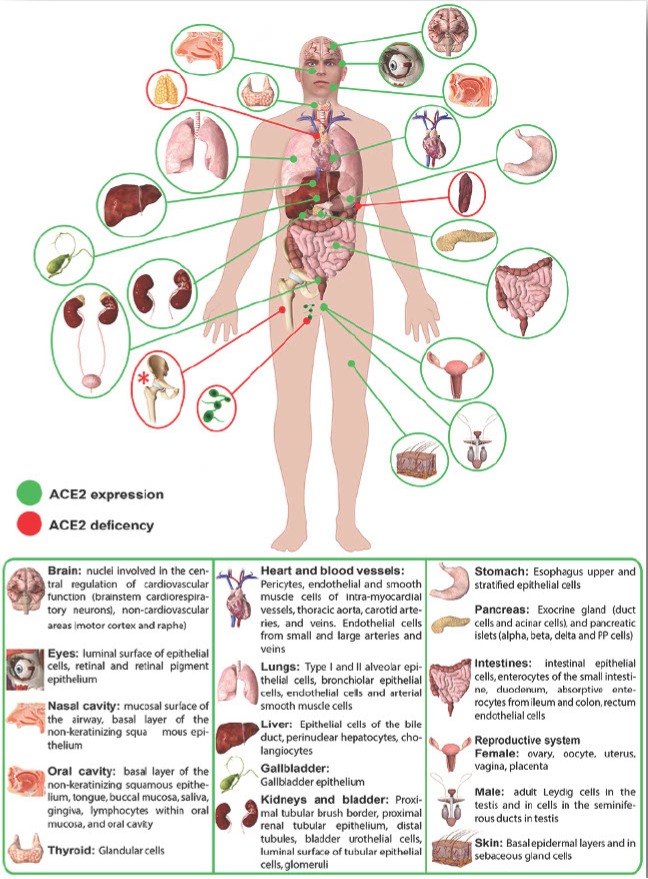
Figure 3: Spike Protein Distribution in Body Tissues
Other signs, symptoms and effects:
“Spike protein can cause chronic inflammation, which can lead to cell stress, damage and even death. Therefore, spike protein injuries are a systemic syndrome”. Epoch Insight 48 (2022) by The Epoch Times – Issuu. Inflammation is triggered by immune dysregulation. “They enter immune cells, switch off normal immune responses and trigger pro-inflammatory pathways instead”.
Spike protein is particularly damaging to the cells that line the blood vessels. Because the Spike binds to the ACE2 receptors (as previously mentioned) and these receptors are abundant particularly in cells of the blood vessels, heart, immune system, ovaries and many other areas. The triggered inflammation causes significant damage to blood vessels and related organs, leading to systemic injury. (View ACE2 Receptors)
Spike proteins share a lot of similarities with human proteins and tissues. Antibodies that attack the spike have shown in studies to also self-attack human tissues and proteins leading to autoimmunity. Especially those with genes that already make them more susceptible to these disorders.
Spike proteins trigger the activation of Mast cells. These immune cells release histamines, triggering allergic responses. It is thought that Spike proteins are leading to an increase in MCAS (Mast Cell Activation Syndrome) cases.
Basically, if you already have any underlying issues, health concerns, genetic dispositions, and are already suffering from or are prone to something, then the presence of the Spike protein will make that worse! If you have cancer this will make it worse, for reasons previously discussed. If you have any heart disease, asthma, diabetes, allergies, the list goes on, the presence of the Spike protein prevents your body from doing what it’s designed to do… heal itself.
The Sars-CoV-2 virus (Severe Acute Respiratory Syndrome Coronavirus 2) consists of multiple components, one of which is the Spike Protein (S Protein).
The Spike protein is toxic to all humans. And we have a terrible time getting rid of it.
The routes of entry into the body include inhalation, ingestion, absorption, or injection.
The Spike protein can be caught from the Coronavirus, but it is also present in the mRNA Covid vaccines.
The Spike is the prism-like shaped part on the outside of the virus. (See Figure 1)
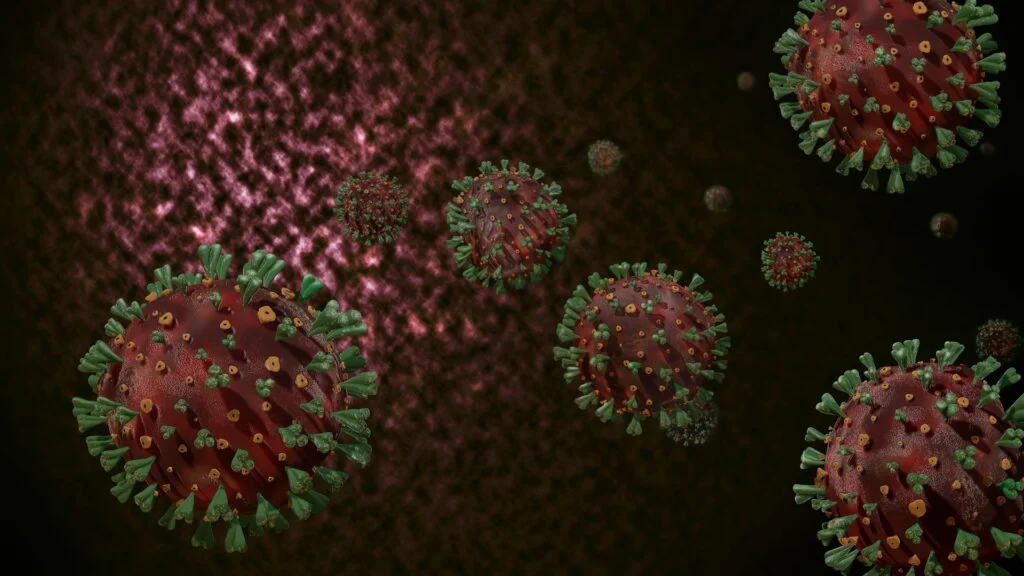
Figure 2: Spike Protein In Veins
If you got a so-called “good batch” or have had multiple boosters, and the mRNA is coding your cells to make more SPIKE PROTEIN, then you’ll have more and more of the toxic stuff that you can’t get rid of…
Imagine – The Spike Protein is like a gross, disgusting, backed up toilet on the top floor of your house. The mess won’t flush down or clear out, it is clogged.
Now, try flushing that “clogged toilet“. What happens? Flush it a few more times, what happens? It overflows? Yes. Now keep flushing that clogged, backed up toilet, say every few minutes. Where does the mess go?
Because there’s no “off switch” continue to flush every few minutes for a few years… what happens to the house? – What happens to the structure, the frame, the walls, the foundation? Over time it all breaks down. The house and its contents are ruined.
The metaphorical house represents the human body.
Augmented NAC
is the plunger
you need!

Ok, enough of the toilet analogy…
But what Augmented NAC does do, is it breaks the Spike protein off the host (cell/bacteria), it opens the molecular structure of the Spike (denatures and deactivates it), fractures it, and your liver – now freed from the Spike protein – does the rest. It crushes it and expels it out through your urine.
Remember, every human body has a threshold when it has ‘too much SPIKE’. You may not feel the effects dramatically at first, but if you’ve caught Covid, or the mRNA is working in the nucleus of your cells and programming them to make more spike protein, then eventually you will feel the effects, or unfortunately suffer worse.
You may notice things like brain fog, drowsiness and a lack of energy. You may notice that you suffer from insomnia, though you’re tired. Autopsy results out of Italy have shown that the Spike protein can destroy the Pineal gland (the part of the brain responsible for making melatonin).
The Spike protein is the only protein responsible for “mediating viral entry into the host cell, which is essential for the viral replication in the human body”. Which means, it creates an entry into the host cell allowing the virus to invade, then mRNA programs the cell to make more (spike protein with mRNA Covid Vaccine).
It can damage the mitochondria causing reduced energy production for the cell.
The Spike forms amyloid-like proteins and causes abnormal blood clots. It can bind to other blood-clotting proteins in the blood like fibrinogen and form abnormal blood clots. (Check out the documentary ‘Dropped Dead’ posted in the media section.)
It suppresses the cells (T and natural killer cells) that destroy infected and cancerous cells. So there is an uptick in cancer diagnoses because of the presence of the Spike protein. Please see “Turbo Cancers” by Dr. John Campbell in the Media section of this website.
Figure 1: Spike Protein Zoomed
It can travel throughout the body, especially the Spike protein in the Covid Vaccine, since it is encapsulated in a lipid nanoparticle (wrapped in a fatty outer layer) which allows it to travel throughout the entire body and pass through membranes including the sacred blood brain barrier.
The Spike protein latches onto cells with ACE2 receptors, as well as cells without, immune cells, soft membranes, connective tissue, organs, bones and bone marrow, even possibly bacteria! Which means the toxic Spike protein can get EVERYWHERE in the human body.
The body has no real way of getting rid of the Spike protein. It doesn’t recognize it and has no way of expelling it. It just knows it’s toxic.
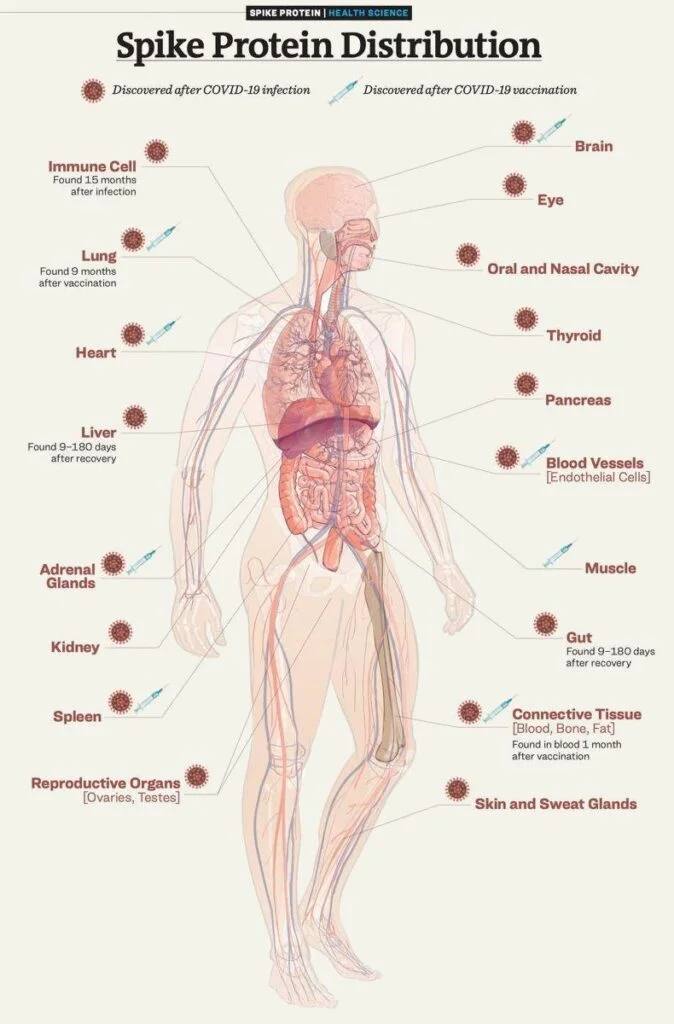
Figure 3: Spike Protein Distribution in Body Tissues
Other signs, symptoms and effects:
“Spike protein can cause chronic inflammation, which can lead to cell stress, damage and even death. Therefore, spike protein injuries are a systemic syndrome”. Epoch Insight 48 (2022) by The Epoch Times – Issuu. Inflammation is triggered by immune dysregulation. “They enter immune cells, switch off normal immune responses and trigger pro-inflammatory pathways instead”.
Spike protein is particularly damaging to the cells that line the blood vessels. Because the Spike binds to the ACE2 receptors (as previously mentioned) and these receptors are abundant particularly in cells of the blood vessels, heart, immune system, ovaries and many other areas. The triggered inflammation causes significant damage to blood vessels and related organs, leading to systemic injury. (View ACE2 Receptors)
Spike proteins share a lot of similarities with human proteins and tissues. Antibodies that attack the spike have shown in studies to also self-attack human tissues and proteins leading to autoimmunity. Especially those with genes that already make them more susceptible to these disorders.
Spike proteins trigger the activation of Mast cells. These immune cells release histamines, triggering allergic responses. It is thought that Spike proteins are leading to an increase in MCAS (Mast Cell Activation Syndrome) cases.
Basically, if you already have any underlying issues, health concerns, genetic dispositions, and are already suffering from or are prone to something, then the presence of the Spike protein will make that worse! If you have cancer this will make it worse, for reasons previously discussed. If you have any heart disease, asthma, diabetes, allergies, the list goes on, the presence of the Spike protein prevents your body from doing what it’s designed to do… heal itself.
The Sars-CoV-2 virus (Severe Acute Respiratory Syndrome Coronavirus 2) consists of multiple components, one of which is the Spike Protein (S Protein).
The Spike protein is toxic to all humans. And we have a terrible time getting rid of it.
The routes of entry into the body include inhalation, ingestion, absorption, or injection.
The Spike protein can be caught from the Coronavirus, but it is also present in the mRNA Covid vaccines.
The Spike is the prism-like shaped part on the outside of the virus. (See Figure 1)
Figure 2: Spike Protein In Veins
If you got a so-called “good batch” or have had multiple boosters, and the mRNA is coding your cells to make more SPIKE PROTEIN, then you’ll have more and more of the toxic stuff that you can’t get rid of…
Imagine – The Spike Protein is like a gross, disgusting, backed up toilet on the top floor of your house. The mess won’t flush down or clear out, it is clogged.
Now, try flushing that “clogged toilet“. What happens? Flush it a few more times, what happens? It overflows? Yes. Now keep flushing that clogged, backed up toilet, say every few minutes. Where does the mess go?
Because there’s no “off switch” continue to flush every few minutes for a few years… what happens to the house? – What happens to the structure, the frame, the walls, the foundation? Over time it all breaks down. The house and its contents are ruined.
The metaphorical house represents the human body.
Augmented NAC
is the plunger
you need!
Ok, enough of the toilet analogy…
But what Augmented NAC does do, is it breaks the Spike protein off the host (cell/bacteria), it opens the molecular structure of the Spike (denatures and deactivates it), fractures it, and your liver – now freed from the Spike protein – does the rest. It crushes it and expels it out through your urine.
Remember, every human body has a threshold when it has ‘too much SPIKE’. You may not feel the effects dramatically at first, but if you’ve caught Covid, or the mRNA is working in the nucleus of your cells and programming them to make more spike protein, then eventually you will feel the effects, or unfortunately suffer worse.
You may notice things like brain fog, drowsiness and a lack of energy. You may notice that you suffer from insomnia, though you’re tired. Autopsy results out of Italy have shown that the Spike protein can destroy the Pineal gland (the part of the brain responsible for making melatonin).
The Spike protein is the only protein responsible for “mediating viral entry into the host cell, which is essential for the viral replication in the human body”. Which means, it creates an entry into the host cell allowing the virus to invade, then mRNA programs the cell to make more (spike protein with mRNA Covid Vaccine).
It can damage the mitochondria causing reduced energy production for the cell.
The Spike forms amyloid-like proteins and causes abnormal blood clots. It can bind to other blood-clotting proteins in the blood like fibrinogen and form abnormal blood clots. (Check out the documentary ‘Dropped Dead’ posted in the media section.)
It suppresses the cells (T and natural killer cells) that destroy infected and cancerous cells. So there is an uptick in cancer diagnoses because of the presence of the Spike protein. Please see “Turbo Cancers” by Dr. John Campbell in the Media section of this website.
* Epoch Insight 48 (2022) by The Epoch Times – Issuu
* Short Summary on the Spike Protein – Dr. Loretta Bolgan
* SARS-CoV-2 spike proteins detected in the plasma following Moderna shots – Jesse Santiano, M.D.
This is an extremely over simplified breakdown of the Spike protein and what it is doing inside our bodies. The list here of symptoms, signs and effects is quite limited compared to the number of documented cases of side effects or direct effects of the Spike from around the world. There is so much information, medical journals and documentation, research and laboratory results, available to the general public. As always you are encouraged to begin your own research. Hopefully this site has been a good launching pad for your own investigations. Consider the sources you find your research from and who is funding it. An informed person is a free person.
Be brave, be curious, be happy! ~TC 🐝
What is Augmented NAC?
Augmented NAC is a groundbreaking food supplement for effective spike protein detox, a central component in the recovery from “Long Vax” (vax injuries) and Covid-related health problems. Augmented NAC has been developed using a proprietary technology to increase (augment) the efficacy of N-Acetylcysteine (NAC), specifically for Covid and vax-related spike protein detox.
Known Benefits of Augmented NAC
Glutathione is the body’s most important and most active antioxidant and is responsible for protecting against free radicals. It also regulates levels of nitric oxide, a powerful vasodilator that widens blood vessels so that more oxygen and nutrients reach tissues.
Glutathione is also essential for the formation of adenosine triphosphate, a crucial source of fuel for our cells. But this does not happen on its own! Glutathione needs the support of some molecules to form, one of which is N-acetylcysteine (NAC).
In 2022, several physicians and scientists around the world have confirmed the role of the spike protein in the damage it causes to human health, even in fatal cases. An excellent article from January 2022, details THE 13 MECHANISMS OF SPIKE PROTEIN DAMAGE.
The ZeroSpike medical-scientific team documented the abili ty of N-Acetylcysteine (NAC) to denature the toxic spike protein, an ability that was later demonstrated in vitro tests sponsored by the Civic Association. However, laboratory results showed a low rate of denaturation of the spike protein (12% in the latest tests conducted) by standard NAC, whereas Augmented NAC was always able to denature the spike protein above the 99% threshold. The in-vitro studies will soon be followed by in-vivo studies.
High blood sugar levels destroy insulin receptors, causing insulin resistance, obesity, type 2 diabetes, and heart disease.
NAC may help improve insulin resistance, thereby facilitating proper glucose uptake by cells, keeping it in the normal range.
A recent study found that NAC can help improve insulin sensitivity and reduce fasting blood sugar levels in individuals with type 2 diabetes. Other studies have also found that NAC may help reduce A1C levels, which is a measure of long-term blood sugar control. NAC may also help increase insulin production in the pancreas, thereby improving blood glucose control. In addition, NAC has been shown to improve symptoms of diabetic neuropathy, a condition that can cause nerve pain and other problems.
If you are considering taking NAC to improve blood sugar levels, consult with your doctor first. NAC can interact with some medications, and it is important to make sure it is safe to take.
First, NAC has been recommended as a mucolytic for chronic and acute conditions affecting the respiratory tract. This is because it is able to break down mucus and dissolve phlegm that might obstruct the airways, thus allowing unobstructed breathing.
NAC helps increase glutathione levels and reduce inflammation in the lungs and bronchi. This can be a great relief, especially for individuals with chronic obstructive pulmonary disease (COPD).
COPD is associated with chronic inflammation of lung tissue that causes airway constriction with symptoms such as cough and shortness of breath.
NAC has been shown to prevent lung decline. In addition, the anti-inflammatory properties of NAC may help reduce coughing, wheezing, and respiratory attacks in chronic bronchitis.
Because NAC has powerful antioxidant properties, it can help protect liver cells from damage caused by free radicals. Free radicals are unstable molecules that can cause damage to cells. They are a major contributor to aging and disease. Antioxidants such as NAC can help neutralize free radicals and protect cells from their damaging effects.
NAC can promote fertility in several ways. First, NAC can help improve egg quality. This is because NAC provides the body with glutathione, an important antioxidant that protects eggs from damage.
Second, NAC can help regulate hormones. This is important because hormone imbalance is a major cause of infertility. By regulating hormones, NAC can help increase the chances of conception
Third, NAC can improve blood flow to the reproductive organs. This is important because good blood flow is necessary for optimal fertility. Improved blood flow may also help reduce the risk of miscarriage.
Fourth, NAC can reduce stress levels. This is important because stress can have a negative impact on fertility. By reducing stress, NAC may help create an environment more conducive to conception.
One study found that supplementing NAC with selenium increased sperm quality.
Another study found that NAC may improve fertility in women with polycystic ovary syndrome (PCOS).
Overall, N-acetylcysteine offers a wide range of health benefits, including fertility promotion. If you are trying to conceive, consider adding Augmented NAC to your nutritional program.
NAC shows promise as a treatment for psychiatric conditions such as schizophrenia and bipolar disorder. It may also help improve symptoms of anxiety and obsessive-compulsive disorder (OCD). NAC works by reducing brain inflammation and increasing levels of glutamate, a neurotransmitter that helps brain cells send and receive information.
In research, NAC has been shown to resolve symptoms associated with several psychiatric conditions such as schizophrenia, bipolar disorder, and obsessive-compulsive disorder.
NAC can also help treat addictive disorders, such as gambling, cocaine and nicotine addiction. In addition, it can help reduce cravings and withdrawal symptoms by reducing inflammation and oxidative stress in the brain.
N-acetylcysteine (NAC) is a powerful antioxidant that helps support the immune system by neutralizing free radicals, which can damage cells and cause inflammation. NAC also helps increase levels of glutathione, another important antioxidant and immune booster.
NAC has been shown to protect against a wide range of diseases, including colds and flu. In one study, people who took NAC were 60 percent less likely to catch colds than those who did not. It also showed a reduction in the severity of cold symptoms, such as coughing and sneezing.
NAC is also effective in treating other respiratory conditions, such as bronchitis and asthma. In one study, people with bronchitis who took NAC experienced a 50 percent reduction in symptoms after only two weeks.
NAC is also being studied as a potential treatment for COVID-19, as it may help reduce the severity of symptoms. We publish here a selection of scientific articles on this topic from the FRI ZeroSpike medical-scientific committee.
One of the most important benefits of NAC is its ability to improve gut health. The human gut is home to trillions of bacteria, many of which are beneficial. However, sometimes harmful bacteria can take over and cause problems.
NAC can help restore the balance of good and bad bacteria in the gut. It does this by increasing levels of glutathione, a powerful antioxidant that helps fight harmful bacteria. One study showed that NAC helps restore healthy populations of bacteria in people with inflammatory bowel disease (IBS). IBS is a condition characterized by abdominal pain, bloating, and diarrhea. Studies have shown that NAC can help reduce these symptoms.
Other research has found that it can help prevent unwanted bacterial infections, such as food poisoning. In addition, research shows that NAC may improve the Crohn’s disease symptoms of ulcerative colitis. Furthermore, some evidence suggests that NAC may reduce inflammation throughout the body, helping to counteract the inflammatory effects of various factors, particularly a poor diet high in inflammatory foods.
Overall, NAC is a safe and effective food supplement that improves gut health and relieve symptoms of irritable bowel syndrome.
N-acetylcysteine (NAC) is an amino acid that offers many health benefits, including reduction of stress and anxiety. NAC helps increase levels of the neurotransmitter glutamate, which has calming effects on the brain.
NAC has demonstrated its effectiveness in reducing anxiety symptoms in animal and human studies. One study showed that NAC can reduce anxiety and improve mood in people with social anxiety disorder (SAD).
Another study found that NAC was able to reduce stress and anxiety in medical students during examinations, while another research paper found that NAC effectively reduced symptoms of post-traumatic stress disorder (PTSD).
NAC has also been shown to increase levels of the neurotransmitter GABA. GABA is responsible for calming the nervous system. By increasing GABA levels, NAC can help reduce stress and anxiety. Overall, NAC is a safe and effective way to reduce stress and anxiety. If you are feeling stressed or anxious, consider taking Augmented NAC.
NAC helps reduce cravings for alcohol and may also help reduce withdrawal symptoms. This is done by increasing levels of the neurotransmitter glutamate, which helps balance brain chemistry.
NAC is also known for its ability to help protect the liver from damage caused by alcohol consumption.
In addition, because NAC is a precursor to glutathione, the body’s main antioxidant, it could potentially provide relief from alcohol-related oxidative stress. Oxidative stress occurs when free radical activity exceeds what our body’s antioxidants can handle. This phenomenon is believed to be one of the causes of many common diseases.
A study published in 2013 on Alcoholism: Clinical & Experimental Research included 24 participants in mild to moderate alcohol withdrawal. Participants were given NAC or placebo for five days and then assessed daily with a standard clinical instrument measuring symptoms associated with alcohol withdrawal.
Results showed that subjects taking NAC had significantly fewer symptoms than those taking placebo.
In addition, participants taking NAC reported less anxiety during periods of acute withdrawal and had better sleep quality than those taking placebo.
Although more research is needed before NAC can be recommended as a treatment for alcoholism, these results suggest that people suffering from alcohol withdrawal may benefit from adding NAC supplements to their diet.
For people trying to quit drinking, NAC can be a powerful tool to combat cravings and withdrawal symptoms. It can also help reduce the risk of relapse into alcoholism. If you are struggling with alcoholism, talk to your doctor about whether NAC may be right for you.
NAC has been shown to promote the production of nitric oxide, which relaxes and dilates blood vessels, allowing blood to flow more freely and reducing blood pressure. This may reduce the risk of stroke and heart disease.
Glutathione is an antioxidant that reduces age-related oxidative stress in brain cells, while glutamate is a powerful excitatory neurotransmitter essential for learning and memory.
Alzheimer’s disease, for example, reduces the ability to remember and learn. But research shows that NAC can counteract neurodegenerative conditions and offer neuroprotective benefits against dementia.
Another study that included NAC in standard treatment for Parkinson’s disease showed improvement in mental and motor skills. Parkinson’s disease is a brain disorder associated with the deterioration of dopamine-producing nerve cells. NAC works by restoring these nerves.
NAC also helps to increase glutathione levels in the body. Glutathione is a substance that helps protect cells from damage, and since it is very present in the eyes, NAC can help keep the eyes healthy.
In addition, NAC has been shown to improve symptoms of dry eye syndrome and other eye problems. It can also help prevent cataracts and macular degeneration, two common age-related eye diseases.
NAC also helps improve vision by increasing blood flow to the retina.